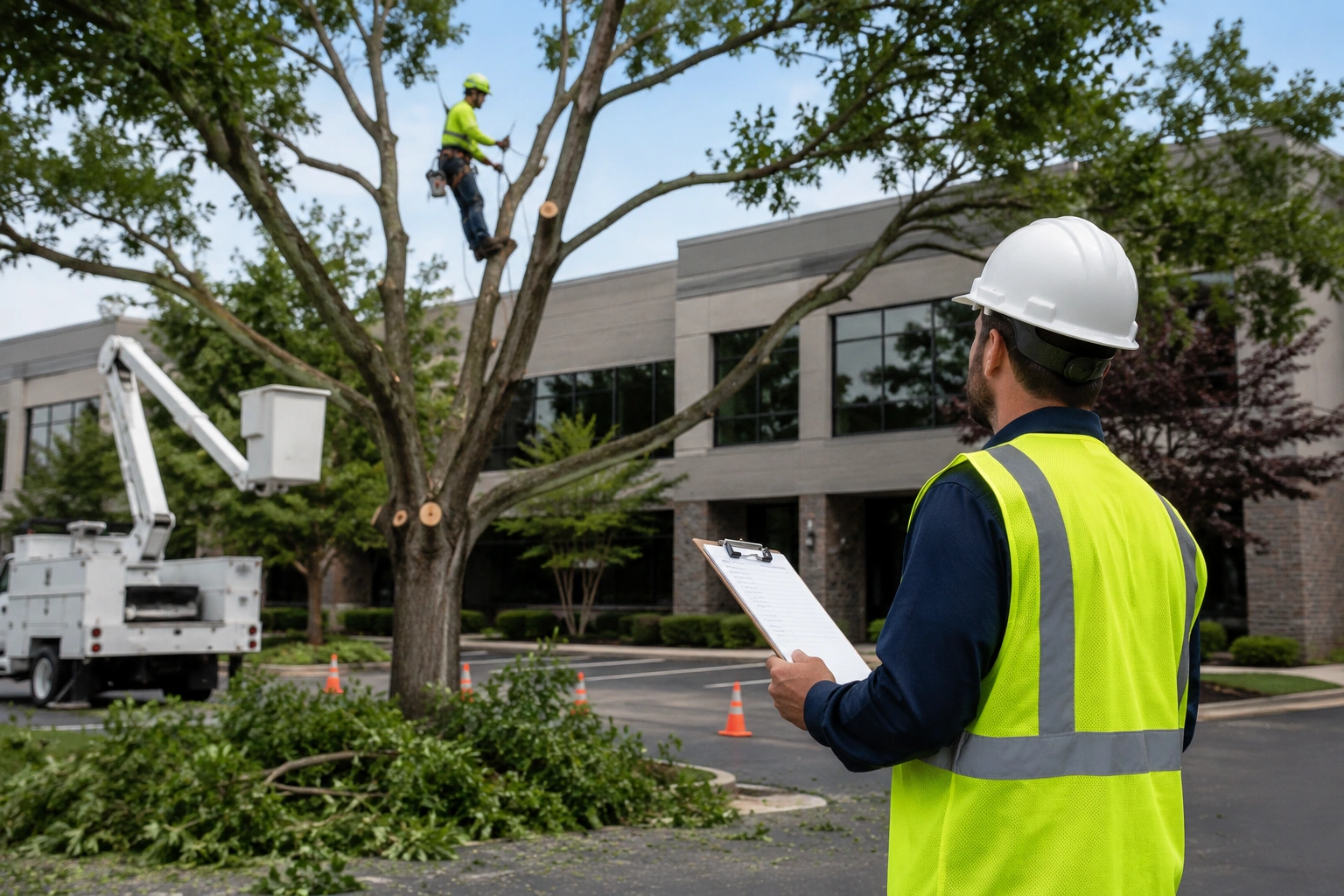
Commercial Tree Service Deansboro NY: How Businesses Can Prevent Liability Claims Before They Start
When business owners think about liability risks, they often focus on parking lots, sidewalks, security systems, and building maintenance. However, one of the most overlooked sources of property-related claims is trees. Dead limbs, unstable trees, root damage, and storm-weakened branches can create serious hazards for employees, customers, tenants, and visitors.
For commercial property owners in Deansboro, NY, proactive tree management is no longer just about appearance—it is an important risk management strategy. Professional commercial tree service helps businesses identify potential hazards before they become expensive legal, financial, or safety problems.
According to industry tree care professionals, commercial properties require regular inspections, pruning, hazard assessments, and emergency response planning to maintain safe environments and reduce exposure to property damage claims.
Why Tree Liability Is a Growing Concern for Commercial Properties
Commercial properties experience significantly higher foot and vehicle traffic than residential properties. A single falling limb can cause:
- Customer injuries
- Employee accidents
- Vehicle damage
- Building damage
- Insurance claims
- Potential lawsuits
Many property owners mistakenly assume healthy-looking trees are automatically safe. In reality, internal decay, root instability, disease, and storm damage may not be visible without professional inspection.
Certified arborists regularly identify hazards that property managers miss during routine maintenance. Professional assessments help uncover hidden risks before accidents occur.
Common Commercial Properties That Need Professional Tree Care
In Deansboro and surrounding areas, commercial tree services are frequently needed for:
Retail Centers
Shopping centers often have trees near entrances, parking areas, sidewalks, and signage. Falling branches can create significant liability exposure.
Office Buildings
Well-maintained landscapes improve professional appearance while reducing risks for employees and visitors.
Apartment Complexes
Property managers must maintain safe common areas, parking lots, playgrounds, and walkways.
Healthcare Facilities
Hospitals, clinics, and senior living facilities require clear access routes and safe outdoor spaces.
Industrial Properties
Warehouses and manufacturing sites often have large perimeter trees that require monitoring and maintenance.
Educational Institutions
Schools and daycare facilities must maintain safe grounds where children and staff gather daily.
The Hidden Costs of Ignoring Tree Maintenance
Many business owners delay tree work to save money. Unfortunately, deferred maintenance often leads to significantly larger expenses later.
Potential costs include:
- Emergency tree removal
- Roof repairs
- Vehicle damage claims
- Worker compensation claims
- Personal injury settlements
- Insurance premium increases
- Business interruption losses
A scheduled commercial tree maintenance program is usually far less expensive than dealing with an emergency incident.
Warning Signs Businesses Should Never Ignore
Dead or Hanging Branches
Dead limbs can fall without warning, particularly during storms or high winds.
Leaning Trees
A sudden lean may indicate root failure or soil instability.
Cracked Trunks
Large trunk cracks often signal structural weakness.
Hollow Cavities
Internal decay may significantly weaken a tree’s structural integrity.
Root Damage
Construction activity, pavement installation, and utility work frequently damage root systems.
Fungal Growth
Mushrooms around the base of a tree can indicate internal decay.
Professional arborists are trained to identify these warning signs before they become dangerous.
How Regular Tree Inspections Reduce Liability
One of the most valuable commercial tree services is routine inspection.
A comprehensive assessment may include:
- Tree health evaluation
- Structural stability review
- Root condition assessment
- Disease detection
- Pest identification
- Branch failure risk analysis
- Storm damage evaluation
Routine inspections create documented records demonstrating that property owners are actively maintaining safe conditions.
This documentation can be valuable if insurance claims or legal disputes arise in the future.
Tree Pruning as a Risk Management Strategy
Commercial tree pruning is not simply cosmetic.
Strategic pruning helps:
- Remove dead limbs
- Improve tree structure
- Reduce storm damage risk
- Improve visibility
- Prevent branch interference
- Enhance pedestrian safety
Proper pruning also encourages healthier growth patterns that reduce future hazards.
Professional tree service providers use industry-approved techniques to avoid causing unnecessary stress or damage to valuable trees.
Protecting Parking Lots and Vehicles
Parking lots represent one of the highest-risk areas for commercial tree-related claims.
Common issues include:
- Falling branches damaging vehicles
- Root systems lifting pavement
- Obstructed lighting
- Reduced visibility
- Storm debris accumulation
Regular tree maintenance helps minimize these risks while maintaining an attractive landscape.
Businesses with large parking areas often benefit from annual or semi-annual tree assessments.
Storm Preparedness for Commercial Properties
Central New York weather can be unpredictable. High winds, heavy snow, ice accumulation, and severe storms can quickly turn a weak tree into a major hazard.
Commercial storm preparation services often include:
Preventive Pruning
Removing weak limbs before storms arrive.
Hazard Tree Identification
Locating trees most likely to fail during severe weather.
Structural Support Systems
Installing cabling or bracing for valuable trees.
Emergency Response Planning
Creating action plans for storm-related tree emergencies.
Companies that prepare before storms generally experience less damage and shorter recovery times.
How Tree Health Impacts Business Appearance
While safety is the primary concern, appearance matters too.
Customers often associate property appearance with professionalism.
Healthy, well-maintained trees can:
- Improve curb appeal
- Increase property value
- Create a welcoming environment
- Enhance customer experience
- Improve tenant satisfaction
Neglected trees create the opposite impression and may discourage visitors or prospective tenants.
The Role of Stump Removal on Commercial Sites
Many businesses remove trees but overlook the remaining stumps.
Stumps can create:
- Trip hazards
- Equipment damage risks
- Pest infestations
- Landscape maintenance challenges
Professional stump grinding removes these obstacles and restores usable space.
Commercial properties often benefit from complete stump removal after tree removal projects.
Emergency Tree Services for Businesses
Unexpected tree failures can occur despite preventive maintenance.
Commercial emergency tree services provide:
- Rapid hazard removal
- Storm cleanup
- Fallen tree removal
- Roadway clearance
- Building protection
- Safety assessments
Fast response minimizes disruption to business operations and reduces additional property damage.
Many commercial property managers maintain relationships with emergency tree service providers before emergencies occur.
Why Businesses Should Work With Certified Arborists
Not all tree service providers offer the same expertise.
Certified arborists provide:
- Professional risk assessments
- Disease diagnosis
- Tree preservation strategies
- Structural evaluations
- Long-term maintenance planning
Their specialized training helps businesses make informed decisions about tree management rather than relying solely on reactive removals.
Industry professionals emphasize the importance of certified arborist evaluations when managing trees on commercial properties.
Creating a Commercial Tree Maintenance Plan
The most successful commercial properties follow structured maintenance schedules.
A typical plan may include:
Spring Inspection
Identify winter damage and structural concerns.
Summer Pruning
Address growth management and visibility issues.
Fall Hazard Assessment
Prepare trees for winter storms.
Winter Monitoring
Evaluate snow and ice-related risks.
Regular maintenance reduces emergency costs and extends the lifespan of valuable landscape assets.
Choosing the Right Commercial Tree Service in Deansboro NY
When selecting a tree service provider, businesses should consider:
- Licensing and insurance
- Commercial project experience
- Certified arborist availability
- Safety procedures
- Emergency response capabilities
- Modern equipment
- Local expertise
Companies serving Deansboro and the surrounding Central New York region often provide comprehensive commercial tree management programs that include inspections, pruning, removals, stump grinding, and emergency services.
Conclusion
Commercial tree service in Deansboro NY is about much more than maintaining attractive landscapes. It is a proactive investment in safety, liability reduction, risk management, and property protection.
By conducting regular inspections, removing hazards, maintaining healthy trees, and preparing for storms, businesses can significantly reduce the likelihood of costly accidents and claims. A professional tree maintenance program not only protects people and property but also supports the long-term value and reputation of commercial facilities.
For business owners, property managers, and facility operators, proactive tree care remains one of the most effective ways to prevent liability issues before they start.
Frequently Asked Questions
How often should commercial properties schedule tree inspections?
Most commercial properties should have professional inspections at least once per year. High-traffic locations may benefit from biannual assessments.
Can a business be held liable for damage caused by a tree?
Yes. If it can be shown that a property owner neglected a known tree hazard, they may be responsible for resulting injuries or damages.
What is considered a hazardous tree?
A hazardous tree may have structural defects, severe decay, dead branches, root instability, disease, or storm damage that increases failure risk.
Is preventive pruning worth the cost?
Yes. Preventive pruning is often significantly less expensive than emergency tree removal, property repairs, or liability claims.
Why should businesses hire certified arborists?
Certified arborists have specialized training in tree health, structural assessments, disease diagnosis, and risk management, helping businesses make informed tree care decisions.